Phytochemical Composition and Effect of Methanol Leaf Extract of Eremomastax speciosa on Liver and Kidney Function in Wistar Rats
DOI:
https://doi.org/10.83080/rejost.vol6no10.355Keywords:
Eremomastax speciosa, Wistar rats, Phytochemicals, Liver function, Kidney functionAbstract
This study evaluated the phytochemical composition and effects of methanol leaf extract of Eremomastax speciosa on selected liver and kidney function parameters in Wistar rats. Pulverized leaves were macerated in 99.8% methanol for 72 hours, filtered and concentrated via rotary evaporation at 40°C. The extracts were obtained using methanol. The phytochemical screening of the extracts was carried out using standard qualitative procedures. For the in vivo study, 16 adult female Wistar rats were divided into four groups (n = 4). Control group received normal saline, while groups 1 – 3 received incremental daily oral doses (500, 1000, and 1500 mg/kg) of the extract for 15 days. After the administration of the extract for fifteen (15) days, the rats were fasted overnight, and then sacrificed by anaesthetizing with chloroform. Blood was collected by cardiac puncture to obtain haemolysis free blood samples with the aid of syringes and needles and transferred into pre-labelled, sterile plain sample bottles. Phytochemical screening confirmed the presence of flavonoids, tannins, saponins, alkaloids, and cardiac glycosides. The extraction process yielded 82.02g of crude extract (17.45% w/w). There was no significant difference (P>0.05) in AST and ALP levels but high dosages of Eremomastax speciosa extracts significantly increase serum ALT concentration. Elevated total bilirubin was observed at moderate and high dosages while elevated direct bilirubin was recorded at high dosage. Medium dosage of extract significantly increased serum chlorine (Cl-) and bicarbonate (HCO3‑) concentrations. Serum creatinine was observed to drop significantly at low and moderate dosages. Significant increase in urea levels was observed at low and moderate dosages. The findings established the presence of phytochemical constituents and absence of observed acute toxicity at the tested limited dosage. Therefore, there is need for further pharmacological, toxicological, long term toxicity assessments and detailed histopathological examination.
References
Adebayo, A. H., & Aliyu, R. (2009). Antioxidant and hepatoprotective properties of Tithonia diversifolia leaf extract against acetaminophen-induced liver damage in rats. Journal of Medicinal Plants Research, 3(5), 325–332.
Adebayo, J. O., Adesokan, A. A., Olatunji L. A., Buoro, D. O., & Soladoye, A. O. (2005). Effect of extract of Bougainvillea spectabillis leaves on haematological and serum lipid variables in rats, Biokemistri, 17:45-50
AOAC. (2005). Official methods of Analysis 15th ed. Association of Official Analytical Chemists, Washington D.C, 777-7849.
Cichon, N., Saluk-Bijak, J., Gorniak, L., Przyslo, L. & Bijak, M. (2020). Flavonoids as a natural enhancer of neuroplasticity—An overview of the mechanism of neurorestorative action. Antioxidants, 9(11): 1035.
Erhabo, J.O., Idu, M., & Udo, F.O. (2012). Ethnomedicinal Survey of Medicinal Plants Used in The Treatment of Male Infertility among the IFA Nkari People of Ini Local Government Area of Akwa Ibom State, Nigeria. Research Journal of Recent Sciences, 2 (1): 5- 11.
Ekpo, F.E., Udo, E.S., Uffia, I. D., & Udofia, O. (2012) Comparative Study of Nutrients and anti-Nutrients Content in Domestic and Wild Leaves of Gnetum africanum (afang, okazi) Consumed by South-south and South east Nigeria. International Journal of Biology, Pharmacy and Allied Sciences, 1(11): 1608-1617.
Iba, I., Udo, I. & Andy, N. (2022). Potentials of Ethnobotanicals and Nutraceuticals in the Management of Sickle Cell Disease. World Journal of Biology Pharmacy and Health Sciences, 10(1), 86–102.
Mboso, O.E., Eyong, E.U., Odey, M. O., & Osakwe, E. (2013). Comparative Phytochemical Screening of Ereromastax speciosa and Ereromastax polysperma. Journal of Natural Products and Plant Resources. 3 (2); 37-41.
Ndrepepa, G. (2021). Aspartate amino-transferase and cardiovascular disease - a narrative review, Journal of laboratory and precision medicine 6(6): 1-17
Nwankpa, P., Ekweogu, C. N., Egwurugwu, J. N., Chukwuemeka, O. G., Etteh, C. C., Ugwuezumba, P. C. & Emengagha, F. C. (2018). Assessment of Kidney Function Indices in Male Albino Wistar Rats Administered Ethanol Stem Extract of Dennettia tripetala (Pepper Fruit). Biochem Pharmacol, 7:242
Odeja, O. & Nweze, N. E. (2019). Comparative analysis of hepatoprotective effects of selected medicinal plants. African Journal of Biochemistry Research, 13(3), 25–31.
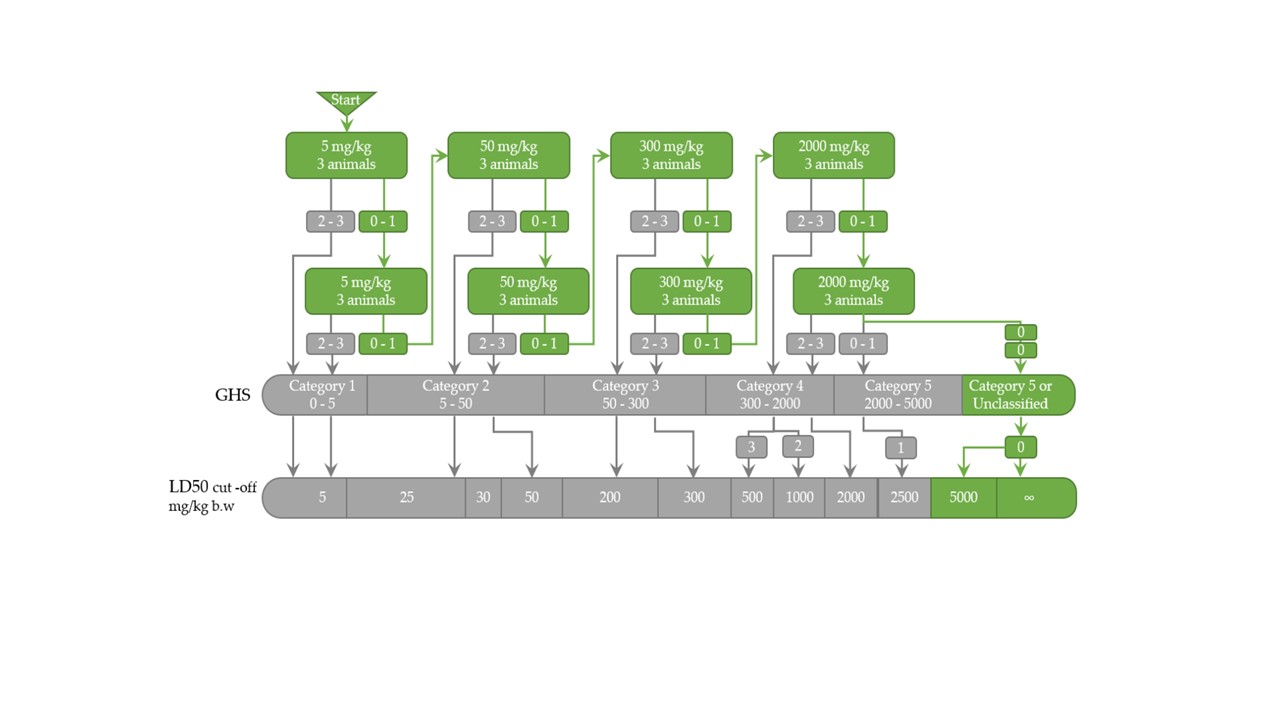
OECD, (2001). OECD guideline for testing of chemicals: Acute oral toxicity – up-and down-procedure (UDP). OECD Publishing.
Offor, C.E., Uko, A.U., Alum, E.U., Okechukwu Ugwu, P.C. & Agbafor. K.N. (2015). Effect of Ethanol Leaf-Extract of Annona Muricata on Liver Enzymes of Albino Rats. IOSR Journal of Nursing and Health Science (IOSR-JNHS), 4(5): 99-103.
Okokon, J. E., Enin, G. N., Udofia, O. E., & Amazu, L. U. (2013). Antinociceptive and Antipyretic activity of leaf extract of Lasianthera Africana. Nigerian Journal of Pharmaceutical and Applied Science Research 2 (1), 17-24.
Olfert, E. D., Cross, B. M. & McWilliam, A. A. (1993). Guide to care and use of experimental animals. Canadian Council on Animal Care, 1:82-94.
Omodamiro, O. D., Alaebo, P. O., Olukotun, B. G. & Chikezie, P.C. (2021). Hepatotoxicity Effects of Methanol Extract of Gmelina Arborea Leaves on Liver Enzymes Marker in Wistar Rats. GSC Biological and Pharmaceutical Sciences, 15(2): 59–66.
Onoja, Samuel O., Eke, C., Ejiofor, E., Madubuike, K. G., Ezeja, M. I., Omeh, Y. N. & Anaga, A. O. (2017). Antioxidant, Anti-Inflammatory and Anti-Nociceptive Properties of HydroMethanol Extract of Eremomastax speciosa (Hochst.) Cufod Leaf. African Journal of Traditional and Complement Alternative Medicine, 14 (6); 56-63.
Oyagbemi, A. A, & Odetola, A. A. (2010) Hepatoprotective effects of ethanolic extract of Cnidoscolous aconitifolius on Paracetamol–induced hepatic damage in rats. Pakistan Journal of Biological Sciences, 13(4):164-169
Oyagbemi, A. A., Omobowale, T. O., Azeez, I. O., Abiola, J. O., Adedokun, A. M. & Nottidge, H. O. (2013). Toxicological Evaluations of Methanolic Extract of Moringa Oleifera Leaves in Liver and Kidney of Male Wistar Rats. Journal of Basic Clinical Physiochemical Pharmacology 24(4): 307–312.
Phrompittayarat, W., Putalun, W., Tanaka, H., Jetiyanon, K. Wittaya-areekul, S. & Ingkaninan, K. (2007). Comparison of various extraction methods of Bacopa monnier” Naresuan University Journal 15: 29-34.
Siwe, G. T., Enow-Orock, G. E., Amang, A. P., Mezui, C., Dongmo, A. B. & Tan, P. V. (2015). Acute and Subacute Toxicological Assessment of the Leaf Aqueous Extract of Eremomastax speciosa (Acanthaceae) in Wistar Rats. Journal of Advances in Medical and Pharmaceutical Sciences, Volume 4(1):1-13.
Sofowora, A. (1993). Medicinal plants and traditional medicine in Africa (2nd ed.). Spectrum Books Ltd.
Udo, E. S., Edem, I. J., Archibong, A. M., Uffia, I. D. & Ekiko, E. R. (2023). Effects of Co-Administration of Aqueous Leaf Extracts of Moringa Oleifera and Cymbopogon Citratus on Female Reproductive Hormones of Lead Acetate Treated Albino Wistar Rats. Development Multidisciplinary international Journal, 7(1): 203 – 211
Udofia, O. E., Nwafor, P. A., Uffia, I. D. & Nya, E. (2023a). Aphrodisiac potentials of methanol extract of Homalium letestui root in male rats. International Journal of Biochemistry Research & Review, 32(5): 68-78.
Udofia, O. E., Uffia, I. D. & Nya, E., Nwafor, P. U. & Essien, G. E (2023b). Effects of Homalium letestui Root Extract on Liver Enzymes, Lipid Profile, and some Haematological Indices. International Journal of Multidisciplinary Research and Growth Evaluation, 4 (6): 593-598
Udofia, O. E., Uffia, I. D., Esen, R. O., Udofia, C. S. & Thomas, P. (2026). Determination of Antioxidant Activity of Methanolic Leaf Extract of Emilia sonchifolia and its Effect on the Lipid Profile of Wistar Rats. Researchers Journal of Science and Technology 6(2): 19 – 28
Uffia, I. D, Ekpo, F. E. & Etim, D. E. (2013). Influence of Heavy Metals Pollution in Borehole Water Collected within abandoned battery industry, Essien Udim, Nigeria. Journal of Environmental Science and Water Resources, 2(1), pp. 022 – 026.
Uffia, I. D., Akachuku, C. O., Udofia, O. E. & Nsien, I. B. (2021). Meteorological Influences on Some Melliferous Plant Species: Nectar Nutritional Composition and Honey Yield in Mangrove Vegetation Zone of Akwa Ibom State, Nigeria. Global Journal of Pure and Applied Sciences (27) 361-366
Uffia, I. D., Udofia, O. E. & Udofia, C. S. (2024). Study of potential effect and health benefits of soaking time on the nutritional composition and some anti nutrient factors in cowpea (Vigna unguiculata). Communication Physical Sciences, 11(3): 429-437.
Uffia, I. D., Udofia, O. E., Nsien, I. B., Esen, R. O. & Udofia, C. S. (2025). Comparative Preliminary Phytochemical Screening and Antibacterial Properties of the Fruit Epicarp and Seed Extracts of Cola lepidota K. Schum. Applied Sciences, Computing and Energy, 3(3): 482-492
Ufuoma, S. B., Daniel, A. A., Yahaya, T., Umar, L. U. & Bello, A. (2020). Acute Toxicity Study of Crude Methanol Leaf Extract of Ficus Exasperata Vahl on Male Wistar Albino Rats. Biokemistri 32(1); 1-14.
Umoh, R. A., Johnny, I. I. Anah, V. U., Udoh, A. E. Umoh, O. T. & Uno, K. U. (2020). Eremomastax polysperma (Benth.) Dandy (Acanthaceae): A Phytopharmacognostic Study. World Journal of Pharmaceutical Research, 9 (11): 19-32.
Downloads
Published
How to Cite
Issue
Section
License
Copyright (c) 2026 Ifiok Dominic Uffia, Ofonimeh Emmanuel Udofia, Utibe Evans Bassey, God’swill Emmanuel John, Rose Okopide Esen

This work is licensed under a Creative Commons Attribution-NonCommercial-ShareAlike 4.0 International License.
Unless a different licence is clearly indicated for a particular article, articles published in the journal are made available under the Creative Commons Attribution 4.0 International (CC BY 4.0) licence. This licence permits others to read, download, copy, distribute, share, adapt, and build upon the published work, including for commercial purposes, provided that appropriate credit is given to the original author(s), the article is properly cited, and any changes made to the original work are clearly indicated.